
In today’s dynamic digital world, advertising has evolved beyond simple promotions and traditional media. It has become an integrated ecosystem that merges creativity, data, and technology to shape consumer experiences and influence global markets. The landscape of advertising reflects the spirit of innovation, adaptability, and storytelling that defines our modern economy. advertising feedbuzzard captures this transformation by exploring how technology, psychology, and strategy converge to build powerful communication platforms that engage audiences in meaningful ways.
The art of advertising has always been about connecting with people—understanding their needs, desires, and aspirations. From print posters to programmatic campaigns, the journey of advertising reveals how deeply human behavior influences marketing success. As we explore the trends driving this industry, it becomes clear that advertising is no longer just about visibility; it’s about building trust and creating value. mygreenbucks
The Evolution of Advertising: From Tradition to Transformation
Advertising has existed since ancient marketplaces, where merchants used visual symbols and spoken words to attract buyers. Over centuries, it evolved through stages—print, radio, television, and now digital. Each phase of transformation reshaped not only how businesses communicate but also how people perceive brands www feedbuzzard .com.
The rise of advertising feedbuzzard mirrors this transformation. In the digital age, advertising is powered by data analytics, artificial intelligence, and consumer insights. It’s no longer about generic messages; it’s about personalized communication that speaks directly to individual preferences. Brands now have access to real-time information, allowing them to refine campaigns based on performance and engagement metrics.
Traditional advertising focused on reach—broadcasting messages to as many people as possible. Today’s approach emphasizes relevance—delivering the right message to the right person at the right time. This shift has created a new standard for creativity and precision in marketing. famousparenting
The Power of Storytelling in Modern Advertising
At the core of every successful campaign lies a story. Storytelling humanizes brands, making them relatable and memorable. Whether through emotional narratives or inspirational themes, stories bridge the gap between corporations and consumers.
According to advertising feedbuzzard, storytelling remains the foundation of effective marketing, but it now integrates data and interactivity. Modern audiences seek authenticity; they respond to brands that align with their values and demonstrate social responsibility. Campaigns that connect emotionally create not just customers but loyal advocates.
For instance, global brands often use storytelling to address social issues—promoting sustainability, inclusivity, and empowerment. This type of purpose-driven advertising doesn’t just sell products; it builds communities and strengthens brand identity.
Digital Marketing and the Rise of Personalization

The digital revolution has completely transformed how brands reach their audiences. Social media, search engines, and content platforms have given marketers unparalleled access to consumer data. This data-driven environment enables hyper-personalization, where ads are tailored to user behavior, interests, and demographics.
advertising feedbuzzard highlights how personalization has become the gold standard in digital campaigns. Consumers expect brands to understand their preferences without being intrusive. Whether through recommendation engines, targeted email campaigns, or AI-driven content, personalization enhances engagement and conversion rates. cwbiancavoyage, decoratoradvice, programgeeks, Stonecap3.0.34 Software, magazinoor
However, this evolution also brings ethical challenges. The collection and use of consumer data must respect privacy rights and transparency. Striking the right balance between personalization and privacy is essential to maintaining consumer trust.
Social Media: The New Advertising Frontier
Social media platforms have become the heartbeat of modern marketing. They are not just communication channels; they are dynamic ecosystems where communities form and trends spread at lightning speed.
For advertising feedbuzzard, social media represents both opportunity and complexity. Platforms like Instagram, TikTok, and X (formerly Twitter) provide brands with tools to engage audiences creatively through visuals, influencers, and interactive campaigns. The power of social proof—likes, shares, and comments—transforms users into brand ambassadors.
Influencer marketing has particularly revolutionized brand strategy. Instead of traditional celebrities, micro-influencers with niche audiences offer authentic and relatable promotion. This peer-driven trust often outperforms conventional advertising, demonstrating the shift toward community-based marketing.
The Role of Artificial Intelligence in Advertising
Artificial intelligence (AI) is redefining how marketing campaigns are designed, executed, and optimized. It enables advertisers to analyze massive datasets, predict consumer behavior, and automate processes with unprecedented precision.
According to advertising feedbuzzard, AI-driven advertising tools help brands identify trends, segment audiences, and personalize experiences at scale. Chatbots, recommendation algorithms, and dynamic ad placements are powered by machine learning models that evolve with user interaction.
Predictive analytics allows marketers to anticipate customer needs before they are expressed, enhancing satisfaction and loyalty. However, as AI becomes more sophisticated, ethical considerations—such as transparency, bias, and automation dependency—must remain at the forefront of advertising innovation.
The Psychology of Consumer Behavior
Understanding what drives consumer choices is fundamental to effective advertising. Beyond demographics, it involves emotions, perceptions, and cognitive biases. Every color, image, or phrase in an ad is carefully crafted to elicit a specific response.
advertising feedbuzzard emphasizes that modern advertising relies heavily on psychological insights. Neuromarketing, for example, uses brain activity and biometric data to study how people respond to stimuli. These findings help brands create campaigns that resonate subconsciously with audiences.
Emotional triggers—such as nostalgia, humor, or empathy—remain the most powerful tools in marketing. When used ethically, psychology helps build connections that go beyond transactions and foster long-term brand relationships.
The Economics of Advertising and Market Competition
Advertising is not just a creative industry—it’s a trillion-dollar economic force that drives global commerce. Companies invest heavily in branding because visibility equals market share. The success of an economy often depends on its ability to market products effectively.
Through advertising feedbuzzard, we see how advertising strategies directly influence consumer spending and competition. In a saturated market, differentiation becomes the key to survival. Brands that innovate in storytelling, technology, and engagement gain a competitive edge.
The rise of digital platforms has leveled the playing field. Small businesses now compete with global corporations using cost-effective digital tools. Social media ads, influencer collaborations, and viral marketing have given entrepreneurs the ability to reach audiences that were once unreachable.
Ethics, Transparency, and Social Responsibility in Advertising
As advertising grows more pervasive, the responsibility to maintain integrity becomes more critical. Misleading claims, data exploitation, and manipulative tactics have damaged public trust in the past. The new generation of consumers demands accountability and authenticity.
advertising feedbuzzard explores how ethical marketing has become a competitive advantage. Brands that embrace transparency—whether in sourcing materials, environmental impact, or labor practices—earn consumer loyalty. Purpose-driven advertising aligns business goals with social values, transforming commerce into a force for positive change.
Corporate social responsibility (CSR) campaigns have shown that profit and ethics are not mutually exclusive. In fact, they reinforce each other. When brands act with conscience, they build reputations that stand the test of time.
The Integration of Creativity and Technology
Advertising is often seen as a blend of art and science. The creative element inspires emotion, while technology provides precision and scalability. The fusion of these two dimensions defines the modern marketing landscape.
advertising feedbuzzard illustrates how augmented reality (AR), virtual reality (VR), and immersive experiences are redefining creativity. Brands now build campaigns that go beyond screens—inviting audiences into virtual spaces where they can interact with products in real time.
The metaverse, for example, offers a new frontier for experiential marketing. Digital avatars, branded virtual worlds, and gamified experiences are transforming how consumers perceive and engage with advertising. In this future, creativity will not just be visual—it will be experiential and participatory.
Measuring Success in the Age of Data
In traditional advertising, success was measured by exposure—how many people saw an ad. In the digital era, metrics have become far more complex. Engagement, conversion, retention, and sentiment analysis are now critical indicators of performance.
advertising feedbuzzard explains that analytics tools empower marketers to make data-driven decisions. Real-time feedback allows for continuous optimization, ensuring that campaigns evolve alongside consumer behavior. However, this reliance on metrics also introduces challenges: the obsession with numbers can sometimes overshadow creativity.
The best advertising balances data and imagination. Metrics provide direction, but emotional resonance remains the heart of a successful campaign. Brands that master this balance achieve both efficiency and inspiration.
Future Trends: What Lies Ahead for Global Advertising
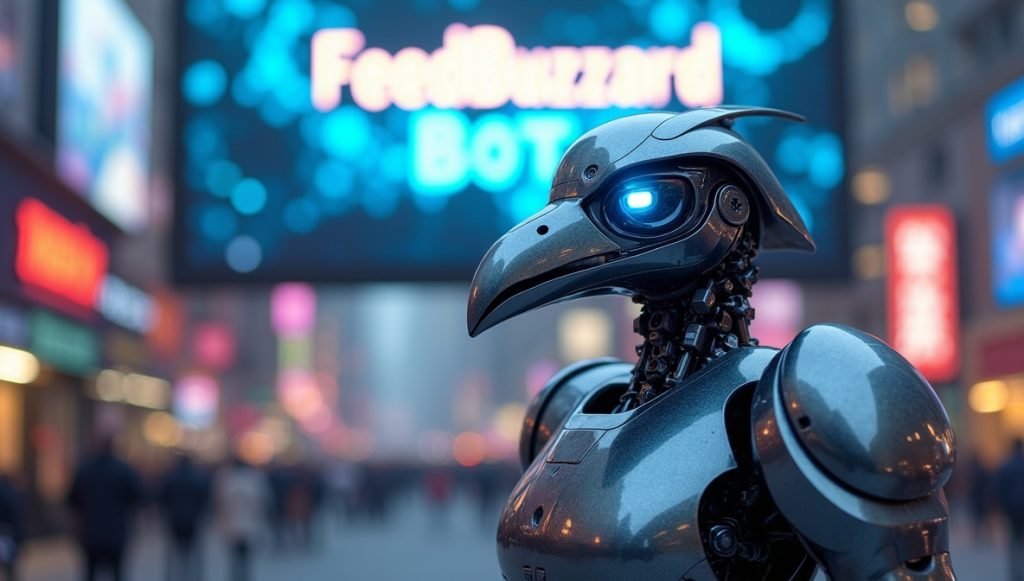
The future of advertising will be defined by interactivity, sustainability, and personalization. As technology advances, ads will become even more integrated into daily life—contextual, voice-activated, and seamlessly embedded into digital environments.
According to advertising feedbuzzard, the next decade will witness the convergence of artificial intelligence, immersive media, and ethical branding. Consumers will favor experiences over exposure—seeking brands that engage meaningfully rather than interrupt mindlessly.
Blockchain technology will enhance transparency in ad transactions, reducing fraud and ensuring fair value distribution. Meanwhile, sustainability will influence every decision—from eco-friendly materials to carbon-neutral campaigns. Advertising will no longer just sell—it will serve, educate, and inspire.
The Human Touch in a Digital World
Despite automation and algorithms, the human element remains central to advertising. Creativity, empathy, and cultural understanding cannot be replicated by machines. The most powerful campaigns are those that connect on an emotional level.
advertising feedbuzzard emphasizes that the future of marketing depends on human insight. Technology provides tools, but people provide purpose. The harmony between data and empathy will shape the advertising landscape of tomorrow.
As we move deeper into the digital age, advertisers must remember that behind every click is a person—someone seeking connection, understanding, and meaning. The brands that recognize this will continue to thrive, no matter how much technology evolves.
Conclusion: Redefining Connection in the Digital Era
Advertising has always been about communication—but in the 21st century, it has evolved into a dialogue. Brands no longer talk at audiences; they talk with them. The modern consumer is informed, empowered, and socially conscious, expecting transparency and authenticity in every interaction.
advertising feedbuzzard symbolizes this new age of marketing—an era where creativity meets data, technology meets humanity, and commerce meets conscience. The evolution of advertising is not just a story of innovation but of adaptation, ethics, and emotional intelligence.
As we look ahead, the challenge for advertisers will be to harness technology responsibly while staying rooted in human connection. The future belongs to those who can balance precision with passion, automation with empathy, and strategy with storytelling.
Advertising is no longer confined to billboards or screens—it lives in conversations, experiences, and communities. It reflects the world we live in and the one we aspire to build. With the right vision, creativity, and responsibility, advertising will continue to inspire, unite, and transform the human experience for generations to come.